Code-switching at work: the hidden tax on Black women professionals and how to reclaim your voice
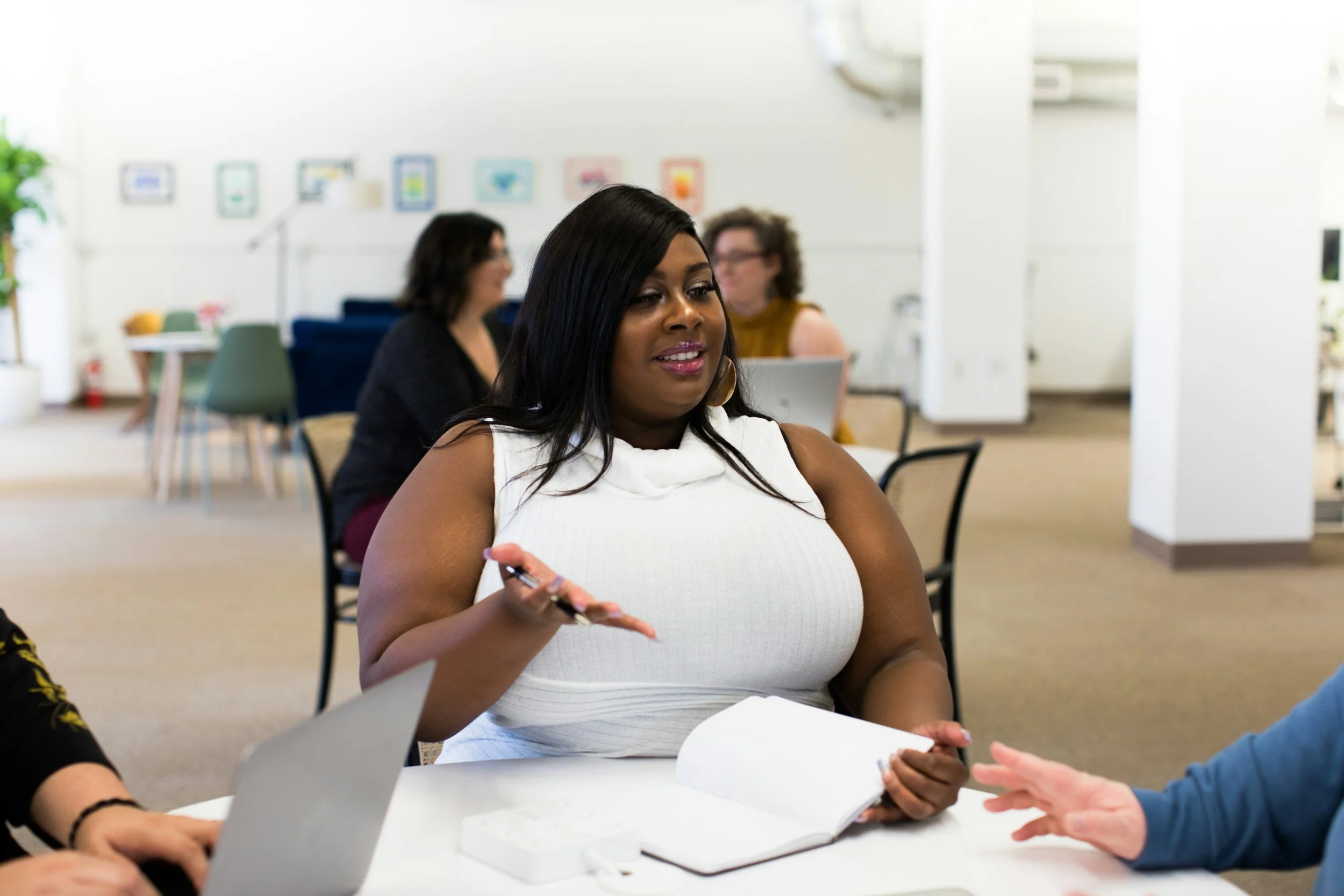
In my personal branding work I encourage my clients to show up as who they are but it would be remiss of my to overlook how various factors including gender, neurodiversity, race, disability and more can have an impact on how people operate in professional and business spaces. For Black women for example code-switching is something that comes up quite consistently. Code-switching is the practice of alternating between different ways of speaking, dialects or speech patterns depending on the social or professional context. It is a deeply ingrained survival strategy for many Black women in corporate and professional settings across The Western world; UK, Europe, USA and Canada. It’s also used to describe how Black women may have to change how they behave in certain spaces. While often seen as a means of navigating predominantly white spaces, code-switching is more than just linguistic adaptation; it is a performance of professionalism shaped by systemic bias and unspoken expectations. For Black women, who face the double burden of racism and sexism, the stakes of code-switching are particularly high.
In the workplace, “professionalism” is often coded as whiteness. Black women may feel pressure to alter their speech, tone and even body language to conform to workplace norms that favour Eurocentric standards. This includes softening their assertiveness to avoid being perceived as “aggressive” or adjusting their natural hairstyles to align with mainstream beauty ideals. These adjustments are not simply about communication they are about perception, access and career advancement because unfortunately the rules of the game are not always the same for everyone. Studies have shown that Black professionals who code-switch are often viewed as more competent and leadership-ready (even if they don’t necessarily get promotions or pay rises), while those who do not may face bias, microaggressions or even fewer career opportunities.
However, the mental and emotional toll of code-switching is immense and to be honest it’s not something that I fully embrace. Constantly modifying one’s speech and behaviour to fit into predominantly white spaces can lead to stress, anxiety and even a sense of disconnection from one’s authentic self. This phenomenon, often referred to as “racial fatigue,” highlights the emotional labour required to navigate a workplace that demands assimilation rather than inclusivity. Additionally, the expectation to code-switch reinforces the idea that Blackness is somehow unprofessional or inappropriate. However I think that even despite this; if you do choose to code-switch, which is of course a valid response to the pressures I’ve described the system will always find something else, there will always be another reason to undermine Black women.
In recent years, discussions around workplace diversity and inclusion have challenged these outdated norms. Some companies are beginning to recognise the importance of creating environments where Black women feel safe to be their authentic selves without fear of judgment or career repercussions. There’s still a long way to go and the anti-DEI rhetoric isn’t helping but it’s still important to highlight these topics and how they impact Black women in the workplace.
Ultimately, code-switching is a nuanced reality for Black women in professional spaces. While it can be a tool for success in systems that still have racial bias, it should not be a requirement for acceptance or advancement. True workplace equity means ensuring that professionalism is not defined by whiteness but by competence, skill, and authenticity.
If you’re a Black woman professional who wants support with your personal brand do not hesitate to get in touch.