How Do You Want to Be Remembered? What I Shared with a Room Full of Black Founders Taught Me About Grief, Legacy and Visibility
The question I chose to open my talk at The Founders Dinner with on Friday the 27th March had nothing to do with strategy or scale. It was this: how do you want to be remembered? Not your company or your revenue multiple or the version of you that shows up polished and prepared for every professional networking event. The real you, the actual you that will be spoken about and felt when you are gone. I spoke about grief and death and loss whilst also highlighting the importance of intentional visibility and how we build our legacies. I was carrying my own grief into that space and rather than hide it or pretend I chose to speak about it and share it with the group. I felt at ease to do that was because Daniella Genas, CEO of Be The Boss International has curated event that brings together Black founders in an intentional, intimate setting. The Founders Dinner is not simply a networking event with a keynote bolted on. It is a deliberately designed space where the question of who is in the room, how conversation is allowed to flow and what the environment gives people permission to feel and say has been thought through with a level of care that most event formats do not always accomplish. People leave thinking differently about themselves not just their businesses.
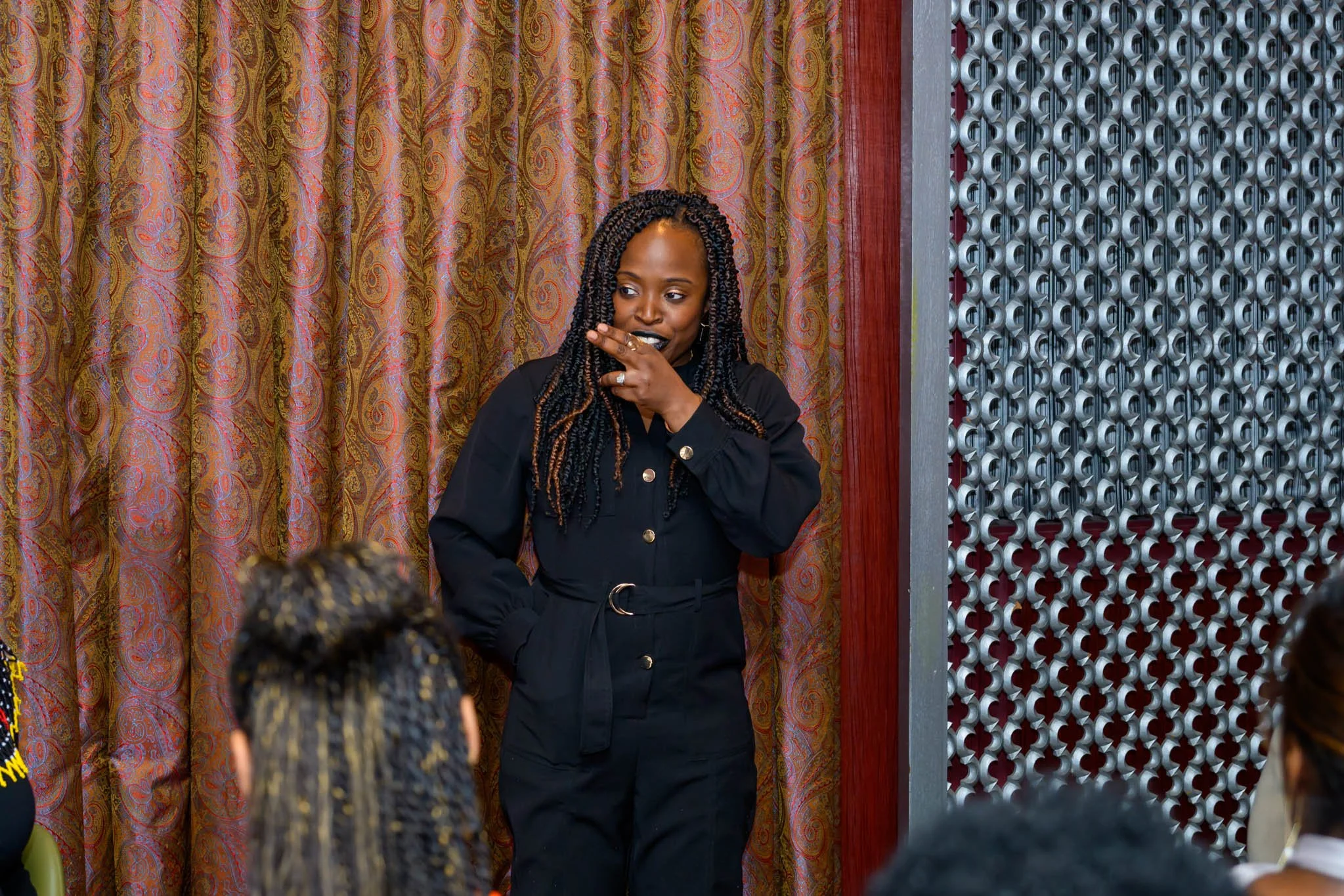
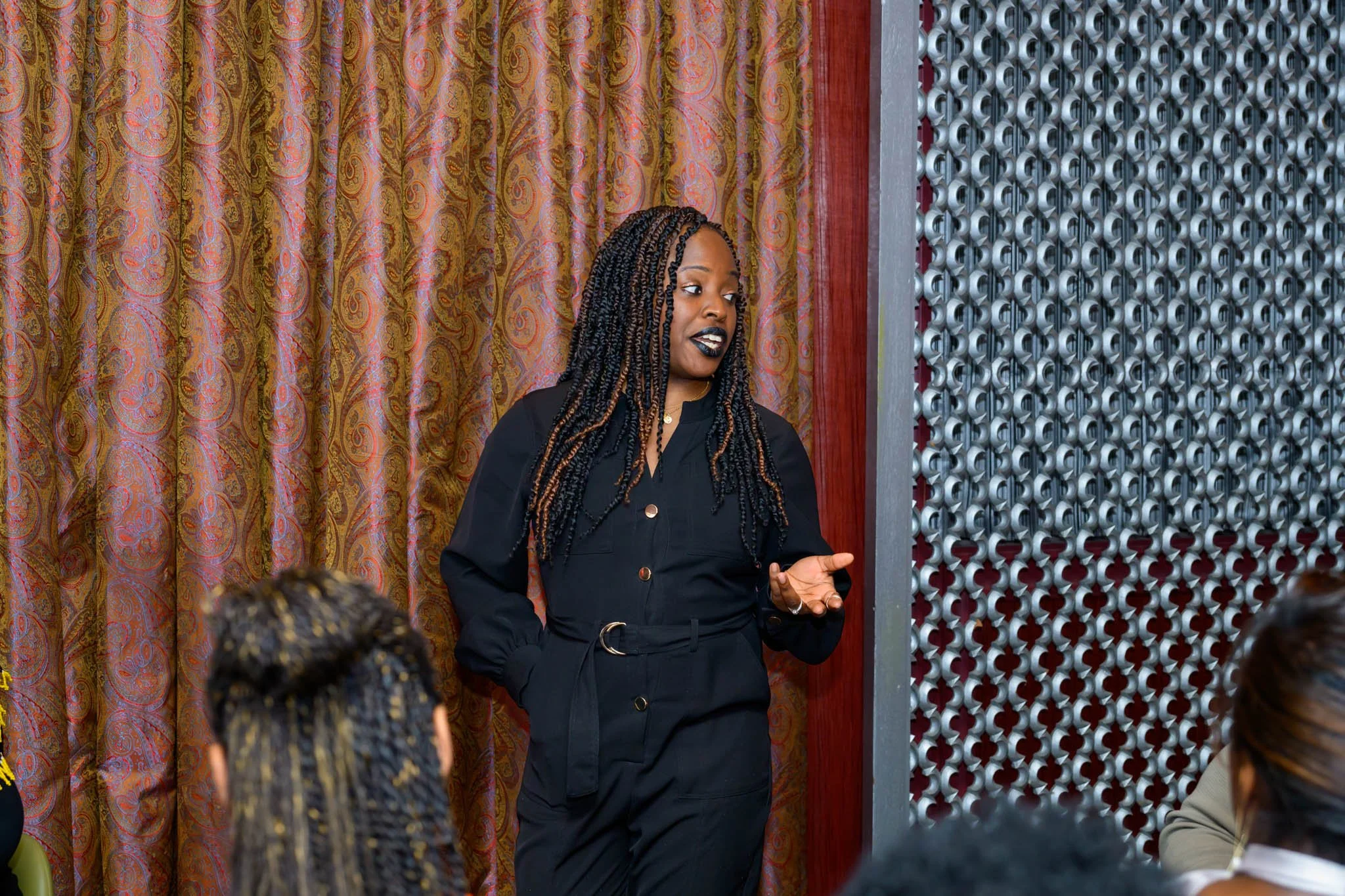
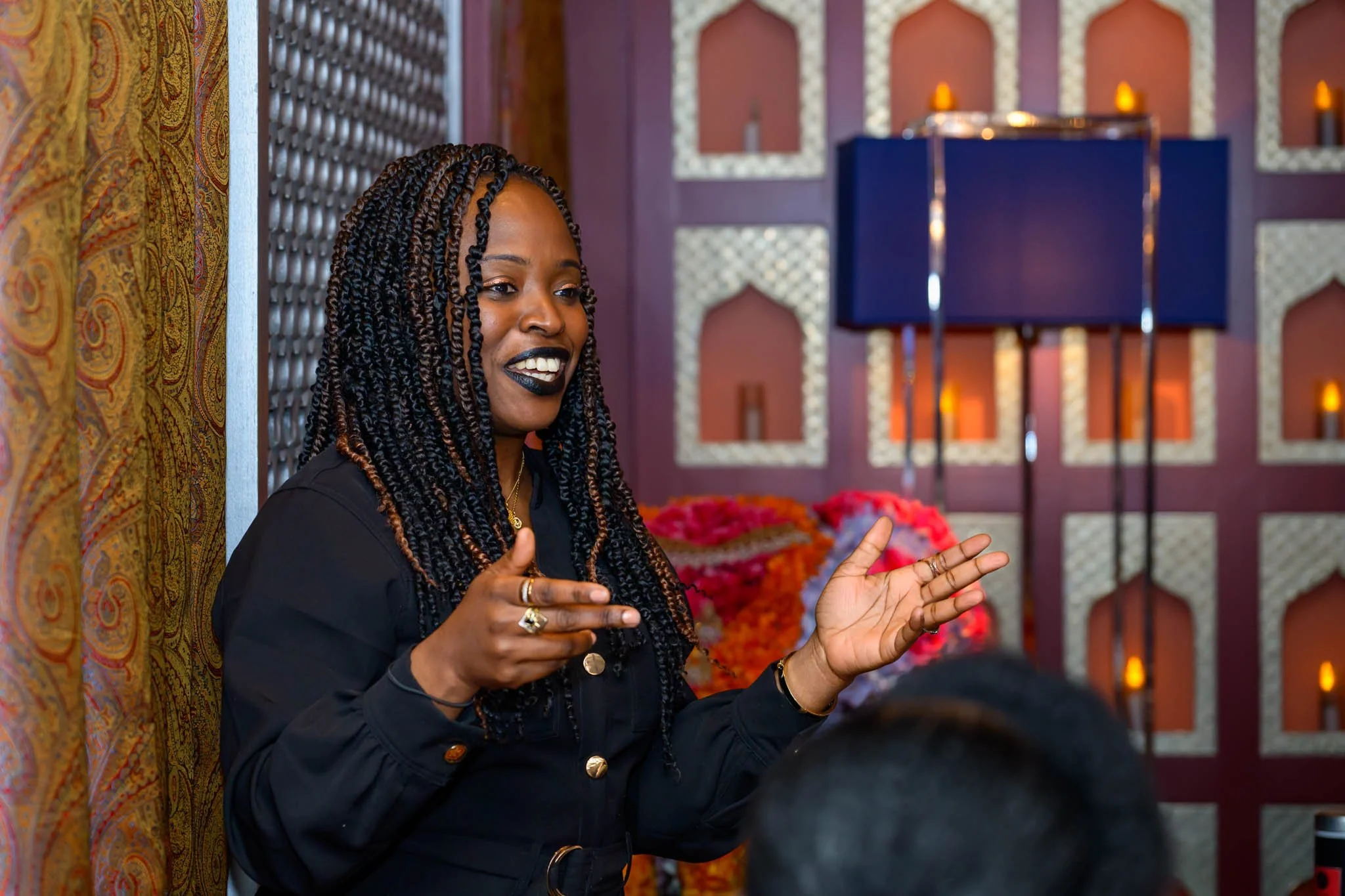
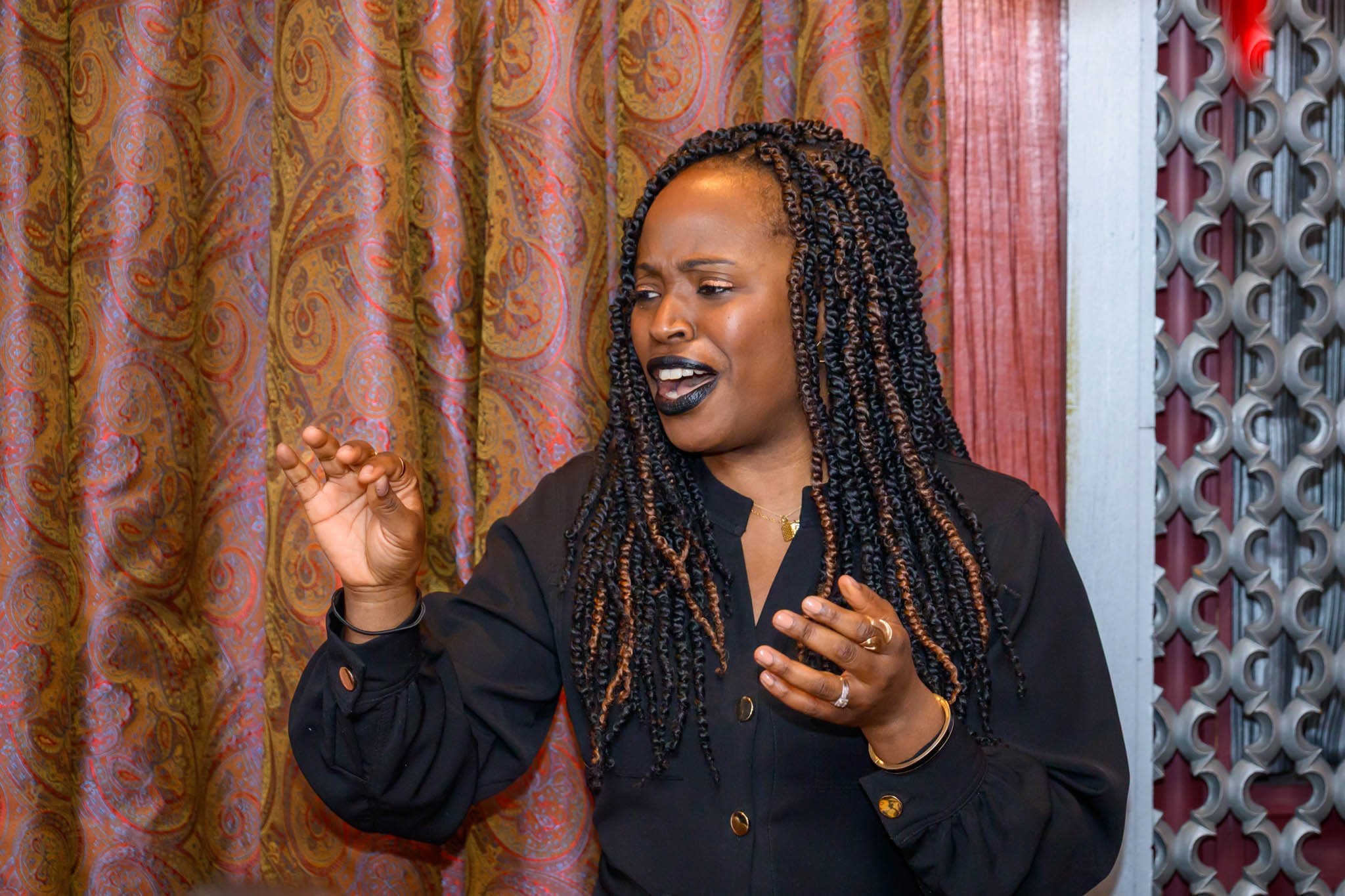
Images by Marlene Landu used by permission of The Founders Dinner
Black founders are often consumed by the work of proving viability, justifying their presence in spaces that are not always built for them to thrive and sometimes even performing to be seen as credible. The relentless energy that goes into that performance leaves very little space for the deeper questions: who are you outside of what you are building, what does success actually mean to you and what do you want your life to have stood for when it is all said and done. Those questions can go unasked for years, sometimes for an entire career. Very often it is not until we are faced with loss that we actually ask ourselves those meaningful questions. This is why I felt compelled to speak and ask those questions. That evening felt like a safe and expansive space to finally ask them out loud and the room responded in a way I will not forget.
We do not talk about grief in business spaces. We talk about resilience, which is grief's more palatable cousin. We talk about overcoming adversity, which is what you call grief once enough time has passed and you have made it look like a lesson. But grief itself, the raw and ongoing experience of losing people, identities, versions of yourself and futures you had planned for, rarely gets named in a room of founders. However from what I have learnt through my own experience of loss, grief shapes everything. It shapes the urgency behind why some people build and it can shape the fear underneath the ambition. It shapes who you are trying to make proud and whether that person is still here to see it. Understanding your own relationship with loss is not a distraction from your business strategy, it can and should be the foundation of it.
Visibility is a word that gets used a lot in conversations about diversity and representation and rightly so but in the context of legacy and how you want to be remembered, visibility means something different. It means being willing to be known, not just seen. It means allowing the fullness of your experience, including the difficult and unresolved parts, to exist alongside your professional identity rather than being hidden underneath it.
For Black founders specifically, there is often an additional layer to navigate. The pressure to represent, to succeed not just for yourself but for everyone watching, can make true visibility feel like a risk rather than a relief. What I have come to understand is that the opposite is true: hiding the human parts of your experience does not make you more credible, it actually makes you less connected, to your work, to your audience and to yourself and now more than ever we need to stay connected.
So How Do You Want to Be Remembered?
Not the professional answer or the version you would give in a pitch or post on LinkedIn on a good day. The real one with all the weight and hope and unresolved grief that sits inside it.
If you have never sat in a room that gave you space to ask that question honestly, I would encourage you to find one and if you are a founder who has never thought about building that kind of room as part of how you show up in the world, I would encourage you to start.
The work we do matters but who we are while we do it matters more.